
Monday, March 12, 2018

You’re Attention is Being Stolen (and You’re Letting it!)

You’re Attention is Being Stolen (and You’re Letting it!)“Hold that thought for just a moment.”


“Let me grab this call.”


“Now, where were we?”


How often have you uttered these phrases in conversations that were interrupted by a phone call, text message, or someone just popping into your office? How often have you been in the middle of a project or task that was stopped midstream to respond to someone else’s immediate need for your attention?


If any of these scenarios sound familiar, you are allowing your attention to be stolen.


In a world full of open-door policies and open-office concepts, our attention is like a wad of cash sitting in an unoccupied, unlocked car. It’s ripe for the taking, tempting anyone who comes within reach of it.
Click To Tweet


Time is our new currency and where we spend it is a choice. It certainly doesn’t imply that some things are always more or less important than others; it just means you must choose what is most deserving of your attention at that moment.


For instance, if you are on a deadline for a high-stakes project, it’s okay to silence your ringer, unplug from devices, close your door and concentrate – free from distractions. The deadline for that project is your highest priority. You don’t want to permit anyone or anything from stealing your attention away from it. Once the project is over, take a small break to rest, recover and refocus. Then, evaluate what else is required of you and prioritize your attention accordingly.


It’s that simple.


When you allow others to steal your focus from what you need to pay attention to, you give them time you can never get back. As a result, you feel the pressure of tighter deadlines which then challenges you to work at a faster rate of speed. When you can’t work faster, you wind up working longer, then cutting into the time you need to rest and recover with friends, family, and loved ones.  In the end, you feel overwhelmed and overstressed – and for what? To allow someone to have your attention to meet their needs?


It’s not about being selfish, or about making others feel less important. It is about realizing we each only get 1,440 minutes in a day and we must choose how to spend it. If we want to live a life of more significance, we must pay attention to what matters most and implement methods necessary to do so.


Here are 10 tips to help you pay attention to what matters most in your day:


1. Schedule your day. Use your calendar to set aside times to return phone calls, answer emails, and respond to social media. Commit to your calendar of time as if it were a client. Don’t be late and refrain from going over time.

2. Silence your phone. Whether it’s a desk phone or cell phone, turn off the ringer. We have this brilliant tool called voicemail and it’s there for a reason. Phone calls can be returned when you are ready to give them the time and attention they deserve.

3. Close your door. The idea of an open-door-policy was never intended to allow anyone to barge in at any time. Schedule times in your day and let others know when you’re available to chat. Setting boundaries will not only ensure you can focus on time-sensitive tasks, it also ensures your undivided attention is given to those who need you during open-office hours.

4. Clear your clutter. Few things can steal concentration quite like incomplete projects sitting on your desk silently begging for your attention. Whether it’s papering in need of filing or projects yet to be completed, keep them organized in such a way that your workspace is clear from distractions.

5. Maximize your productive times of the day. Some of us are morning birds while others are night owls. Capitalize on your most productive time of day to complete the tasks requiring more attention, thought, and creativity.

6. Cancel meetings. 45% of meetings attended by professionals are thought to be a waste of time. If you’re attending meetings for the sake of attending, stop. If you’re hosting meetings out of routine, cancel them. Do not attend or host a meeting without a legitimate, well-thought-out agenda. Know why you’re being asked to attend and ensure everyone is on the same page.

7. Take routine breaks. No one can give their undivided attention to one project hours and hours on end. Take frequent breaks to step away from your desk, get fresh air, stretch and allow your mind to break from it’s concentrated state. You’ll find a renewed sense of focus upon return.

8. Reciprocate respect. If you want others to respect your time and need for focus, you must start by setting the example. If you create a reputation of popping into coworker’s offices unannounced, they will do the same for you. If you leave voicemails, followed by emails, followed by text messages, expect others to do the same. Demonstrate a respect for the time of others and respect for yours will follow.

9. Reiterate priorities. Whether you are a leader or individual contributor, knowing the priorities of your organization is key to your success. Ensure you understand them thoroughly, repeat them frequently and use them as a filter for your attention.

10. Stop working 24/7. Few of us can operate efficiently or effectively when we are always on call for work. After hours phone calls and emails can make us feel overwhelmed and unable to rest and recover from the day. As a result, our stress levels increase, and our relationships suffer. Your after-hours time must be tightly guarded and given to those who matter most. When you allow yourself to get the rest you need at the end of each day, your ability to focus and concentrate on the workday increases boosting your productivity and accountability.


When you begin to think of attention as our new currency, you can begin to shift your thought process around time as being a limited resource which must be managed responsibly and protected from those who wish to steal it.

The post You’re Attention is Being Stolen (and You’re Letting it!) appeared first on Neen James.

Monday, March 05, 2018

The Millennial Attention Gap

millennial attention gapI love the Millennial generation. They are my fave by far. I love their insights and ability to change quickly, and they can also learn from generations before them.
 

I was excited when I recently watched the movie, The Intern, about a Baby Boomer going to work for a young, hip start-up company. This company was very successful, full of bright ideas and innovative ways to succeed. Initially, the Millennial workforce looked as though they thrived in chaos, when in fact, they were suffering from the very methods that made them successful.


While the movie was a light-hearted comedy about an older generation fitting into a Millennial mindset, I couldn’t help but notice the number of mistakes the young professionals made because of information overload, a barrage of interruptions, and an obsessive need to multitask leading to a frantically fast-paced life. They worked together for hours on end yet knew little about each other. They celebrated professional success while suffering personal losses in relationships at home.


The movie was fiction. The situation was reality.


The Millennial generation wasn’t of the age of technological discoveries. They were born into the technological age we had already created. Our discoveries were their normal.  They never knew life before the internet, texting, streaming and social media. Before most of them could walk, they could operate an iPhone. Many of them watched their first programs streaming from their parents’ devices while sitting in a restaurant for dinner. As the Millennials grew up, they formed new languages ripe with acronyms as they felt there was no time, or need, to write in full, complete sentences.  Now that this generation has aged and entered the workplace, they struggle to turn their attention from devices and into real relationships that communicate openly, thoroughly and effectively.


At one point in the movie, a younger employee approached the Baby Boomer to ask for relationship advice. He admitted to having messed up with his girlfriend, and he failed to see how his attempts to mend the relationship were unsuccessful. He said he sent a “ton of text messages” – to which she never responded – and a “super long email” laced with acronyms and emojis. At which point the Baby Boomer simply suggested that he talk to her face-to-face. Guess what? The advice worked.


Now let’s hop over to real life.


How often do you, or Millennials in your life, attempt to communicate with others in this fashion? With phones buzzing, emails flying, and alerts binging, it’s no wonder we miss the connection. What if we encouraged Millennials to pay attention to relationships, not technology, and to address others in a real-time conversation, saving time and confusion from back and forth digital dialogue. Imagine the time we could save if we would focus on our relationships and began paying attention to what matters most.


Another hysterical scene in the movie came when the young CEO inadvertently sent her mom an email not intended for her to read. Watching these characters go to great lengths to undo a digital mistake made was a riot! I couldn’t help but consider the number of times we have all been guilty of hitting ‘send’ on a message not intended for the receiver, and the following countless hours/days/weeks/months/years we spent trying to recover from our lack of attention to detail. The Millennial boss was moving at such a fast rate of speed, dealing with one distraction after another, she almost risked a vital relationship in her life as a result. Ever been guilty of doing the same?


We have an opportunity to lead by example for Millennials and other future generations. We can show them how to slow down and pay attention to details. We can demonstrate how to step away from gadgets and build relational bridges with peers, employees, spouses, and friends. Our time spent before the digital age could enlighten them on advantages that came with it.


Can you become like the Baby Boomer in the movie? Can you mentor young professionals and encourage them to invest in sincere relationships – getting to know each other on a deeper level? Can you lead by example by focusing on one task at a time, saying ‘no’ to distractions that lead to mistakes? Will you demonstrate what it means to stop living a ‘crazy busy’ life and start paying attention to what matters most?

The post The Millennial Attention Gap appeared first on Neen James.

Wednesday, February 28, 2018

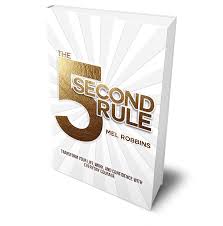
Mel Robbins 5 Second Rule Book Review

5 second rule mel robbins book reviewNeed to pay attention to what really matters in your life? Read Mel’s book, 5 Second Rule. 5 seconds will change your life.


 

5.4.3.2.1… that’s it. It’s simple. It’s powerful. Invest your precious time reading this book filled with practical advice and great social media testimonials and proof this really works.


Learn the power of courage in your every day, how to change your behaviors and your mindset.


Mel’s advice to increase productivity and achieve results you want in your life is practical, relevant and especially in a time when we are more distracted than ever before.


I love the format of the book, the constant encouragement, the social media proof of people around the world sharing their experience of implementing this and Mel’s honesty of how she created this (science-based) brilliant, simple solution.


Read it. Give it to your teams. Enjoy it. Well done to my friend Mel.


Want to learn more about how this book can help empower you at home, work and in life? Watch my video review below.


The post Mel Robbins 5 Second Rule Book Review appeared first on Neen James.

The Enemy of Employee Attention


Watch video on YouTube here: https://youtu.be/SlJn15v8MU0
via CHANNEL TITLE

The Enemy of Employee Attention


Watch video on YouTube here: https://youtu.be/SlJn15v8MU0
via CHANNEL TITLE

Monday, February 26, 2018

Is Your Workplace Suffering from an Attention Deficit Crisis?


Watch video on YouTube here: https://youtu.be/TW65GcBQkoA
via CHANNEL TITLE

Is Your Workplace Suffering from an Attention Deficit Crisis?


Watch video on YouTube here: https://youtu.be/TW65GcBQkoA
via CHANNEL TITLE

The Attention Deficit Workplace – The Answer Starts with YOU!

Do you believe your workplace has an attention deficit problem? Do you believe YOU have an attention deficit problem?


Fact is, you are a role model … to someone. The expression “tone at the top” is true. The example leaders demonstrate is often believed to be a requirement employees must follow. No matter what’s written in policy handbooks or said aloud, the traits leaders demonstrate others will implement as their own. Even though most leaders recognize this to be true, it’s easy to forget how daily behavior is observed and actions are emulated. When we use the word ‘leader’ we are referring to everyone, it doesn’t matter your title, responsibilities or what’s printed on your business card, everyone leads.


Consider this, distractions cost US businesses $588 billion dollars in productivity losses each year, according to Basex. It makes me wonder, how many of these distractions are derived from your leadership “tone” and daily work behavior creating a sense of anxiety and attention deficit within your workplace.


Let’s determine the answer with a pop-quiz.


Email:

Do you expect immediate responses to emails sent?

Do you pop into an employee’s office, send a text or call them within 30 minutes without an answer?


Phone Call:

Do you always take phone calls regardless of what you are working on or who is in your office?


Devices:

Are you always seen carrying your cell phone?

Have you interrupted meetings or allowed yourself to be distracted in order to respond to messages or alerts?

Does your phone stay on and active throughout each work day?


Unannounced Visits:

Are you known for walking into an employee’s workspace unscheduled to discuss a project, question or need?


Open Door Policy:

Are you devoted to an open door policy permitting others to interrupt your activities throughout the day?


Schedule:

Do you allow for an open schedule of time that anyone can take to meet their needs?

Are you intentional about blocking off time throughout the day to work without interruption?


Meetings:

Do you accept every meeting invite?

Do you require an agenda before attending or does the invitation merely imply your required attendance?


Priorities:

As other departments or peers make demands of your time or request non-priority essential tasks, do you take on their requests without scrutiny?


After Hours:

Are you known for sending or responding to after hour emails or texts?

Are you willing to interrupt your family time to take incoming work-related phone calls?


Social Media:

Do you pop on social media to respond to posts and comments throughout the day?

Do you actively share and communicate with others online frequently?


Vacation:

Have you been known to respond to messages while taking time off from work?

Do you regularly take time off to decompress, relax and refocus?


If you answered “Yes” to any of these questions (and I admit, I definitely did!), you are sending a message to your employees the same is expected of them. If you are unable to allow yourself time to focus without interruption, or if you are not proactively seeking ways to avoid disruption, others will fail to do so as well.


As the leader, you are the Attention Ambassador of your office. Lead by example. When you silence your phone, others will too. If you refrain from sending or responding to after-hours messages, others will feel permitted to do the same.


It’s up to YOU as the leader to prioritize your time and demonstrate that your team can feel empowered to do the same. As a result, employee productivity will soar, engagement will skyrocket and so will the profits that follow suit. When employees feel free to say “no” to other’s request for their time and attention, they can say “yes” to what matter most.


CLICK here for more ways to say No.


Choose to lead by example. Be the role model. Be a true leader. Be aware of the example you set. Change the expectations and remember – Attention Pays.

The post The Attention Deficit Workplace – The Answer Starts with YOU! appeared first on Neen James.

Sunday, February 11, 2018

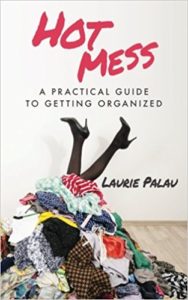
Pay Attention to this Hot Mess… a practical guide to organizing!

Great read for anyone who wants to look and feel more organized

When I heard the title of my talented organizing friend, Laurie Palau from Simply b Organized, new book, I smiled – Hot Mess: A Practical Guide to Getting Organized. 

This book is funny, valuable and a great easy read.

This book will also help you identify the root of your clutter, provide solutions for feeling less overwhelmed and provide systems for you to really get organized in every area of your life.

Laurie addresses the physical, emotional, and calendar clutter that everyone faces and in her funny, ‘tough-love’ approach, gives you practical solutions you can apply immediately at work, at home and even in your relationships.

Buy this book, follow her advice, and then share it with a friend who would benefit from it as well. Not only is Laurie a fun writer;  I have seen her speak and she is an expert in this topic. She’s not a typical stuffy, strict organizational consultant, she is authentic, practical and fun to work with. Many of my clients have hired her and their spaces (and lives) have been transformed. Get yourself a copy of this great book today – you can order here.

The post Pay Attention to this Hot Mess… a practical guide to organizing! appeared first on Neen James.

Monday, January 29, 2018

Change Your Relationship with Technology

…and pay attention to what matters most!

How would you define your relationship with technology? Are you able to put it down and walk away from it when someone or something that matters demands your attention? Or, are you denying your technology addiction as you sneak glances at your device during moments that really matter?


If we are ever going to decrease our stress and the feeling of being too busy, we must start first by creating a new relationship with technology. We must recognize who is in charge and understand technology is a tool, not a life source. Social media is for socializing, not surviving.


Technology is a tool, not a life source. Social media is for socializing, not surviving.
Click To Tweet


Let’s start first with a confession session by answering the questions below. These will help you understand how your relationship with technology is defined and where it can be refined.


What digital habits do you hope to create for yourself in 2018?


As you know the focus of my work as a keynote speaker is getting the world to pay attention! My new book, Attention Pays™ is full of strategies to help people pay attention, and that includes me too! Throughout the process of writing the book, I began to uncover habits I had developed that needed redefining. There are several tools I used to help me manage my focus and concentrated time. Those will certainly become must-haves in my 2018 routines – see the list below for the tools I swear by.


What about you? Do you suffer from daily distractions such as alerts on your phone, text messages or social media? Do you find yourself spending countless hours online without even realizing it? Perhaps you spend your day drowning in your email inbox, allowing it to dictate your day, energy and time.


What digital habits are you trying to leave behind in 2017?


I want to leave behind the habit of pulling out my cell phone when I am traveling or between meetings. I’d rather use that time to be creative, meditate, learn something, or be alone with my thoughts. I want to create more white space in my life in 2018.


What about you? Perhaps you’ve realized it’s time to stop pulling out your phone while sitting at a red light, or allowing it’s alerts to distract you from meaningful conversations. Maybe, you’ve developed some unwanted habits of tuning others out while you tune into your screen. What do you recognize that needs to change moving into the new year?


What digital habits have helped most in terms of productivity, focus, mental health, etc.?

I’m always on a search for the latest and greatest technological tools that will – ironically – help me decrease my time with technology. While digital tools can certainly help us in daily productivity, it can also be a huge time suck that steals away our focus and attention from what matters most. Below is a list of tools I’ve found necessary to my daily success. Share with me your ideas and let’s pay attention together!

  • Using Freedom App on my mac allows me to do dedicated work.


  • Turning off every notification, alerts, and sound for social media, my smartphone, mac and email also assists me.


  • My smartphone is permanently turned to silent so I only answer calls if I see it ring otherwise it is out of reach so I can get work done.


  • Using meditation apps has helped me this year and I hope to get even better at that next year.


  • Having my whole team using Slack has assisted minimize email, have quick conversations, and even though we are spread across the country it’s a great way to feel more connected.


  • Sharing Facebook Live videos with clients has allowed me to be accountable and productive for where I am and help others share in the experience.


  • Only using Google products has assisted us i. Gmail, Alexa, calendar and maps – the whole team is united in everything.


  • Buying a Peloton 1 year ago was life changing, with live and on-demand classes and hundreds of workouts off the bike I can use it when I travel and it keeps me healthy and in shape.


What tools/techniques have been most useful in creating a better relationship with technology?


  • Freedom App
  • Gmail
  • Google calendar
  • Boomerang
  • Peloton bike (and app)
  • Techniques include:
    • switching off my cell, putting it in a draw, leaving it in my bag when I am driving and traveling.
    • Not using my cell phone as an alarm to wake up.
    • Using my cell phone as a timer to power through tasks (especially email) I play a game that I set the timer for 15 minutes to see how many emails I can answer in one dedicated 15 minute block.
    • Not checking email until I have worked out.
    • Pre-scheduling rides on Peloton in my calendar so I commit to health first
    • Leaving devices in my bag when I meet someone for a meal.
    • Using Alexa for reminders in my house.
    • Using Slack with my team (instead of texting or email)
    • Blocking my calendar before 9 am so I can workout and eat breakfast before any meetings. In 2018 we are blocking out until 11 am so we can also get strategic work done early in the day when I am not speaking for clients or traveling.
    • Stopped sending emails at night or weekends (still wrote them but scheduled them for later delivery)

Now, it’s your turn. Are you ready to pay attention to what matters most? Will you consider changing your relationship with technology so you can begin to pay attention to what matters most? Share with me your ideas in the comments below and join the #AttentionRevolution by encouraging others to unplug, disconnect and take control of who and what deserves their time and attention.
 

The post Change Your Relationship with Technology appeared first on Neen James.

Monday, January 15, 2018

When You’re Just Too Busy – Attention Pays!

We wear busy like a badge of honor. Busy has become a status symbol within our society, which is crazy when you stop to consider how terrible it is to our productivity, personal well-being and relationships. We believe if we aren’t busy, we aren’t productive. Problem is, being too busy is counterproductive to everything that matters most.


Researchers have discovered people are feeling overwhelmed at work dealing with constant distractions that then spill over into our personal lives, affecting our recovery, families and friendships. The result: the feeling of anxiety, stress, fatigue and a lack of focus on what matters most.


The Centre for Time Use Research at Oxford University says the total amount of time people work is the same as it’s always been and data indicates people who say they’re the busiest generally aren’t.


If studies show we are not actually busier than we have been in the past, why do we feel like it?
Click To Tweet


Part of the answer is simple – attention is our new currency and is more valuable than ever before. With a constant stream of incoming emails, meetings to attend, things to read, ideas to execute, it’s no wonder we feel too busy and unable to give our undivided attention to what is most important.  When you couple everything competing for our attention with the digital age of technology, it’s no wonder we are feeling overwhelmed, overstressed and overtired. Fact is: we work 24×7. We never get a break.


Technology and societal pressures leave us feeling the need to be accessible to everyone all the time. As a result, everything suffers. Ironically, being constantly accessible actually decreases our productivity, not the other way around. When we feel rushed, we actually suffer from decreased production, focus and attention to detail. The pace of which we work slows, we are more apt to make mistakes and more likely to disconnect from meaningful relationships. Being too busy makes us too distracted.


When we are overwhelmed and lack concentrated focus, we inadvertently compile our stress by taking on even more obligations than we can handle. Before we know it, we are sacrificing what matters most to suffice what matters now. Even worse, we have pre-programmed ourselves to believe we must always be on, plugged in and responsive. We fail to give ourselves the necessary time to recover and refocus.


It’s time to change our mindset. It’s time for an Attention Revolution.  We must stop considering busy as an indication of our importance. We must measure our success not by the time it takes to complete a task, rather the results we achieve. It’s time to prioritize what matters most to us and use those priorities as filters for what we commit to doing. We must learn to say ‘no’ to requests for our time that steal our attention from what matters most. It’s time to start realizing the value our undivided attention brings to relationships, productivity and accountability.


Maybe then, we’ll see we aren’t as busy as we thought we were.

The post When You’re Just Too Busy – Attention Pays! appeared first on Neen James.

Sunday, January 07, 2018

What I Wish I Would’ve Known Before Buying My First SmartPhone

Have you ever been so excited to buy something new you fail to consider how it might impact you in the long run? Let’s face it; rarely do we ever consider the long term consequences of our purchases and impulsive needs, especially when it comes to technology – like the smartphone.


I can still remember my first smartphone purchase – the answer to my productivity needs. The ability to map my destinations, create travel itineraries on a whim, respond to emails in a more timely fashion, take photos and more. I’ve never been one that is a cutting-edge ‘early adopter’ where technology is concerned, but the smartphone was truly that – smart. It was the answer to my overwhelmed, overly committed life.


Never one time did I stop to consider the long term impacts the smartphone would have on my life, let alone on society. Have you ever stopped to contemplate how your life has changed since introducing this device into it? Would you have bought your first smartphone if you knew then what you know now? Or perhaps, would you have introduced it to your life differently?


Would you have bought your first smartphone if you knew then what you know now?
Click To Tweet


The following aspects are those I wish I would have – could have – considered before that first smartphone purchase:


Dinner Disruptions:

I wish I would have known that I would rarely see families and friends engaged in a conversation around the dinner table without the distraction of a device. I can’t even recall the last time I sat in a restaurant and witnessed everyone engaged in a non-device disrupting conversation and meal. Far too often I see adults tuned out reading online while kids mindlessly play games and avoid interaction. I watch as young couples engage more on social media than with each other. I wait as servers and staff turn their attention to patrons in need of photos, causing other patrons to sit in wait.


Traveling Challenges:

I wish I would have known that every airport would become a land mine of adults sitting on floors and against walls, hovering near any available power outlet or charging station, handcuffed to their device in a desperate hope it will charge before boarding the flight. Before smartphones, I can’t recall a time it was commonplace to see grown adults holding a small device as if it were their very life support.


Distracted Driving:

I wish I would have known the rate people would crash, or even die, due to distracted drivers. Let’s face it, there are few things more annoying, distracting and dangerous than a smartphone alert going off when you’re behind the wheel of a car. No matter where you keep the phone – your purse, console, glove box or back seat – there is something about the sound of an alert that pulls your focus from the road. Never would I have imagined how many people I would share the road with that would be texting while driving, reading the news, posting online or even live streaming their thoughts in transit. Even when thought I have disciplined myself not to look at the phone while driving, the very thought of what awaits for me competes for my attention more than I would have ever imagined. I was shocked to read a recent statistic that revealed over 25% of all crashes are due to drivers texting while driving. The Department of Motor Vehicles reports 9 people die every day because our drivers distracted on their smartphone. Is it worth it?


Home Life Hindrances:

I wish I would have known how much I would ask my friends and family to pause their thoughts as I answered a self-inflicted obligation to respond to emails after hours. I can remember when I first linked my email to my smartphone and thought how amazing it was to respond to emails after the work day was over. I considered this a productivity win as my response times were cut in half. I had faith that others recognized my diligence and would be appreciative of my timely response. What I didn’t realize is that in time, my enthusiasm for answering after hour emails would turn into a habit and that habit would turn into obligation. Little by little, I had trained those in my circle to expect an immediate response from me. Before I knew it, my 9 to 5 turned into a 24×7 workday. My loved ones became the ones in wait as I took time and attention from them to respond to messages that could have easily waited until morning.


Need for Instant Information:  

I wish I would have known my need for instant information would become a crutch. I’m not sure if you’re like me, and have lost track of the number of times you’ve stopped mid conversation to research facts and figures to prove a point. While having information at our fingertips is amazing, it can also hinder our ability to be free thinkers and engage in healthy debates and judgement without the need to immediately prove who is right.


Social Media Influence:

I wish I would have known how toxic social media would become. If only I could have seen the day I would wish for photos of a friend’s meal to be the topic of social media fodder. Instead, the smartphone has allowed all of us to think, and post, without self-censorship. We’ve entered into a world where what we feel is immediately available for others to read. I would have never guessed the draining effect it would have on my in my daily life, feelings and productivity. Not only has the smartphone increased my accessibility to read social media, it’s made it addictive to the point that a concerted effort has to be made just to tune it out or avoid it all together.


Productivity Nemesis:

I wish I would have known that the very tool I was purchasing to help me become more productive would be the very thing that would challenge my ability to do so. With constant alerts, messages and updates, it’s hard to remain focused on anything of importance. Trying to focus on a task becomes challenging when I know someone has messaged me and is awaiting an immediate response. Now, I have to make a conscious effort to download apps and schedule times of days they work to keep alerts and messages at bay. Never the less, the impulsive need to check my screen for notifications is often more than I can bear. Despite my need for focused thinking, I find my attention challenged in ways I would have never previously imagined.


Talking to Foreheads:

I wish I would have known that the introduction of the smartphone meant learning to carry on conversations with people’s foreheads. If only I had the ability to grab someone by their face and say what my 5 year old friend, Donovan, taught me – “Listen with your eyes.” Put the phone down and pay attention to what is right in front of you, not what can wait. If only I would have known how preconditioned I would become – we would become – to accepting interruptions and someone’s half attention as the norm. I couldn’t believe the news when I heard the World Health Organization announced a new classification of mental health disorders due to persistent and addictive gaming. Will we ever be able to retrain our brains to step away from our smartphones and connect with a real reality as opposed to a virtual one?


Is there anything you wish you would have known before buying your first smartphone? While technology has helped us in many ways, it challenges our focus and competes for our attention for what is truly important. While I don’t regret having this amazing technology, hind sight is always 20/20. Now that we know the challenges, can we change our habits, or are we doomed to distraction?


I believe attention is our new currency. Attention to what matters most is where we will profit, boost productivity and increase accountability. Paying attention to what is important is a skill we must learn – if not relearn – to help us achieve balance in our lives with technology, empowering us to take a digital detox.


What are your thoughts? I would love to read them. Are you committed to changing your habits and learning how to use the smartphone as a tool and break the dependency you’ve created? If so, subscribe to my ezine to learn tips, techniques and strategies to help you pay attention to what matters most.

The post What I Wish I Would’ve Known Before Buying My First SmartPhone appeared first on Neen James.

Sunday, December 31, 2017

We Are a Distracted Society – Distraction Decays. Attention Pays.

We are a distracted society. People are distracted staring at their phones – walking down the street, through airports, at restaurants and coffee shops, networking events and family gatherings. We have become so distracted, we are losing the ability to connect with each other and our surroundings.


We have become so distracted, we are losing the ability to connect with each other and our surroundings.
Click To Tweet


Many of us are guilty of going through the motions of day-to-day life while failing to invest any real concentrated effort into any of it. We drive from place to place, often not remembering how we got there because we are tuned out, lost in our heads, distracted with technology and suffering from mental fatigue. We finish the workday exhausted while feeling we’ve accomplish nothing of any real value. We participate in conversations and fail to remember more than a quarter of it. Our distraction is eroding our relationships, time management abilities, success and productivity.


Our society is overlooking what important and failing to honor what matters most. We sacrifice time with our families and friends to answer emails and messages. We give up necessary sleep to check alerts and texts. We lose lives because drivers focus their attention on a screen and are distracted on the road.


When do we say enough?


When do we acknowledge we are distracted and aren’t paying attention?


Do we recognize and acknowledge technology is a tool, not as a life source?


At what point do we commit to changing our habits and realize distraction decays and attention pays?


I believe when we commit to focusing our attention on what matters most, everything in our lives flourish. Relationships are fed, tasks are completed, profits are boosted, productivity increases and accountability is restored.  Organizational leaders must commit to avoiding interruptions in order to engage in a conversation and truly connect with their employees. As a result, morale increases, productivity skyrockets and profits soar. When coworkers remove daily distractions, they have time to focus on important tasks and achieve deadlines. When families commit to each other, their relationships grow and their need for superficial technological fulfillment decreases. When we as individuals realize we cannot operate in a 24×7 world and that we require rest and recovery to be our best selves, our productivity improves.


Are you ready to make a change? Are you ready to admit you’re distracted? Are you ready to recognize it’s time to pay attention to what matters most? Join me as I embark on an #AttentionRevolution where we change our habits and behaviors so our distractions no longer decay and our attention pays.

The post We Are a Distracted Society – Distraction Decays. Attention Pays. appeared first on Neen James.

Tuesday, December 12, 2017

Mini Gift Guide For The Tech Traveller Business Person In Your Life

tech travellerNormally, I shy away from gift guides. This year is different.

I consider myself a tech traveller. I travel about 150,000 miles per year (for some that’s insane, for other that’s called “February”). With that, I am always super specific about the gear that I travel with. Because I never check bags, everything must be super lightweight, ultra durable, multi-purpose and truly functional for heavy usage. Over the years, I’ve often had the question: “Where did you get that?,” while sitting in airports, hotel lobby’s or just over lunch with a friend. I quickly realized that I, in fact, am a huge nerd and love scouting out the latest and greatest in tech and travel gadgets that can make your business trip that much more pleasant.

Let’s level set first.

Before rattling off some of the best gadgets for the tech traveller in your life, it’s important to note that I travel with a MacBook Pro (the new one that is USB C only) and the iPhone X. I travel, mostly, domestically in North America and I have a physical aversion to checking any luggage. So, I pack light and wear similar clothes (black only!).

With that, here’s my mini gift guide for the tech traveller your life…

  • Anker PowerCore Fusion 5000 2-in-1 Portable Charger and Wall Charger. A killer little travel device that enables me to leave all of the Apple charger bricks at home for the smartphones and tablets and — at the same time — this also double as a portable charger for your smartphone. I can’t thank Scott Stratten enough for introducing me to this device. I also love how it plugs directly into the wall and recharges the battery, while being able to handle two USB devices. Simply brilliant. This literally took me from four separate charging devices/portable batteries down to just one.
  • Poweradd 2-Outlet Mini Travel Surge Protector. This is another “must have” device. I picked up a portable and mini travel size power bar at a trade show booth for free. I loved it. It eventually died, and I replaced it with this one… and I am glad that I did. This has room for a few devices to plug in, plus two USB ports. If you have ever been to a hotel, airport lounge or airport lobby, you know how scare, hard to find and tight the spaces are to actually plug anything in. This one is so well designed, that it even plugs perfectly into that pesky little outlet that are in the base of hotel room lamps on the night table. Frequent flyers also know how tough it can be to get those Apple chargers into in the in-seat plugs (if you’re lucky enough to have one). This cures all. I love the way the chord wraps and hides itself, and I’m a huge fan of the little green power light as well. You have no idea how often I plug something into a random wall on the road, and I don’t know if the socket is dead, if it’s the charger, etc… This lets you know when it’s actually getting power. This gets you from one plug to two plus two USB ports.
  • Anble 4-in-1 USB Type C to HDMI, DVI and VGA Converter. If you have to give a business presentation, you need to have one of these. While my primary dongles to attach my laptop to projectors are the official ones from Apple, I always want to have a back up (especially because these new MacBook’s are using USB C, and very few AV teams carry this new format/dongle). With that, I always want a backup. This is it. It’s an all-in-one, so I would not trust it as the only solution, but it’s great for a backup. The bonus of this one is that it also has DVI. DVI is a format I don’t see often (and Apple doesn’t even have a USB C to DVI dongle), but just in case I always keep this one handy. So, you can connect to VGA, HDMI and DVI all from this one dongle.
  • 2 in 1 Lightning iPhone 7 Adapter for iPhone. If you use headphones, one of the biggest adjustments that must be made as you transition over to the newer iPhones, is the lack of a headphone jack. I’ll recommend some great Bluetooth headsets for being on-the-go next, but it’s a shame to waste the headphones that you already have. This would be a solution. The ability to plug into a corded headphone while also being able to charge your device at the same time (a must for being on the go with these battery draining smartphones). Candidly, I’m not sold on these adapters, but they are essential. The challenge (as I have discovered) is that while these do the trick of allowing you to listen to audio while charging your device at the same time (something, the official Apple adapter does not allow), it does render the buttons on your headphones useless. So, if you want to jump tracks, raise/lower the volume or even use the microphone on your headset for a call, these adapters don’t always allow for that functionality. Buyer beware. I’m hopeful that Apple creates an official version of this, at some point soon.
  • Bose QuietControl 30 Wireless Headphones. These are my wireless/bluetooth headphones of choice for travel. Bose is a brand that many know and love. I’ve gone through the lot of their headphones (and other brands as well). There is no doubt that the sound quality and true noise cancelling is much better on the Bose QuietComfort 35 Wireless Bluetooth Headphones, but I am a stickler on a few points that the 30 delivers on over the 35. First, if you ever have to sleep on a plane, I find it much more comfortable to have the in-ear option. The over-the-ears don’t allow you to move your head around as much, and if you’re lucky enough to get a lie-flat seat on an overseas flight, you can forget about sleeping on your side with the 35. I also much prefer the slim form factor of the 30 over the 35. The 35 has a much bulkier packaging, which makes it harder to slip into your briefcase. These are both expensive headphones. Both work great. I choose the 30 over the 35.
  • eBags Professional Slim Laptop Backpack. This is my backpack/briefcase. I could not be happier with it, and I have bought — literally — hundreds of briefcases and backpacks over the years. I’m always looking for something light, durable, black, professional and with enough pockets and areas that I can zip through security and customs without having to fumble around too much. The good people at eBags really have something with this bag. I can’t think of one thing that I would want to add/remove. This one is so smart — from the front pocket for emptying your pockets at security to the base at the bottom of the bag that will hold all external chargers, to the smaller top compartment especially built for your tablet (or Kindle or whatever) and the separate area for your laptop. If you’re looking for a professional bag that does it all… you can’t go wrong with this one.
  • Briggs & Riley Baseline Rolling Cabin Bag. Another area where I have spent way too much time, money and effort on is the ideal carry-on. This is the one. By far. Many airlines are now forcing gate check for carry-on bags that are too big. I went in the opposite direction, and I will never turn back. I often find myself on smaller planes, where all bags must be gate checked. This has stressed me out for connections and created delays. This is the best solution. It’s small enough that it can fit in many of the smaller aircrafts overhead bins. And, if it doesn’t, I slip my eBags briefcase (above) in the overhead bin, and this bad boy can go under any seat. I can’t express how much love I have for never ever having to gate check a bag. The trick with this bag, is that you have to pack light. I recommend rolling (tight) all of your clothing and coupling this with Eagle Creek’s Pack-It Specter Garment Folder Small (make sure you get the small version or it will not fit in this bag) for articles that you do not want to wrinkle (dress shirts, sport coats, dresses, etc…) — see below for that product. I’ve been able to use this cabin bag for two nights and three days on the road, though it is more ideal for a quick overnight trip.
  • Eagle Creek’s Pack-It Specter Garment Folder Small. I do not know how I ever lived without this product. Remember, if you are going to go with the Briggs & Riley Cabin Bag above, make sure you get the “small” version of this magic little packing solution. This garment folder claims to be able to hold up seven items (according to their website), but from my experience, it really hold two dress shirts and one sport coat tightly. Still, it compresses the clothes and keeps them wrinkle free — and it works like a charm. If you travel, you must try these out. They’re the best at space saving for packing.
  • RuMe Bags Baggie All Zippered Organizer. Last (but not least) is this little charmer. Cables, dongles, headphones, adapters, presentation remotes, etc… can quickly turn the inside of your bag into something that resembles a pit of tangled snakes. For years, this bag has been my go-to organizer. I put my two remote presenters in the front pocket with my USB stick of backup files. The middle section gets all of the dongles that I need to connect to random projectors and AV set-ups, and the main compartment gets everything else. These bags are simply awesome and will keep every small-ish piece of tech and accessory organized and never to be lost again. For those who live in Canada, Dollorama has a similar bag in their stores, that I think are actually better (thicker material and slightly bigger) for under $4, so go and hunt it out in the office/school supply section.

Those are my top tech traveller’s business person gifts… what are yours?

note: all of the links above are affiliate links on Amazon. My intent is to donate whatever money is generated by the links to a local woman’s shelter. Hoping that you’re cool with that? And, yes, I really do use each and every one of these gadgets almost every day. If it’s in this list, it’s because I love it and use it.

Mitch Joel is President of Mirum — a global digital marketing agency operating in close to 20 countries. His first book, Six Pixels of Separation, named after his successful blog and podcast is a business and marketing bestseller. His second book, CTRL ALT Delete, was named one of the best business books of 2013 by Amazon. Learn more at: www.mitchjoel.com.

The post Mini Gift Guide For The Tech Traveller Business Person In Your Life appeared first on Neen James.

Monday, November 27, 2017

Make Time to Pay Attention to What Matters Most During the Holidays

how to pay attention during the holidays

Holidays have you feeling stressed for time and attention? Do you feel pushed, pulled and pressured to participate in every request for your time?

I know. It may be the most magical time of year for some but for many in today’s 24/7 world there’s a whole lot of stress served up along with those holiday trimmings.

The holidays can be a challenge as you attempt to balance obligations, family, friends and experiences all while trying to pay attention to what matters most. Here are 10 ways you can prioritize your efforts, simplify your life and make the most of these holidays.

  1. 15 Minute Mental List Release: Give your memory a break during the hustle and bustle. Take 15 minutes each morning to just do download your “mental list” of everything on your work/home to-do list and create a plan. Take tip from sales training pro and author Brian Tracy who shared, “It takes only about 10 to 12 minutes for you to plan out your day, but this small investment of time will save you up to two hours (100 to 120 minutes) in wasted time and diffused effort through the day.” We could all use time savings like that!
  2. One stop shopping: No time for mall madness or dashing through the snow?  Let your fingers do the walking.  Shopping online is perfect for knocking out your gift list on a deadline, having everything delivered timely, and many stores offer gift wrapping options. You can even “gift” Amazon Prime memberships now – how about that?
  3. Give experiences. Instead of a candle, wine or standard gift – you may consider giving an “experience” instead.  “The reason experiential gifts are more socially connecting is that they tend to be more emotionally evocative,” says Cindy Chan, an expert on consumer relationships. Have fun with it. Gift cards are also now available in wide varieties. One fun idea for couples or families are gift cards for the movies. It’s a luxury for a lot of people now and they’ll think of you fondly when they get to go on date night or have a night out for fun with the kids! Put a bag of popcorn in a padded envelope with the movie gift cards and you’ve got an awesome gift. Restaurants, spas, or gift certificates to an interactive experience like the Escape Rooms or Rock Climbing places that are cropping up everywhere are terrific ideas as well.
  4. Help with the clean sweep: Book a cleaning service to do some of your heavy lifting this season. Think of it as a gift you give yourself, your business, and your family. According to Meagan Francis, author of thehappiesthome.com, hiring someone to clean your home, especially during stressful times, is a smart management decision – it allows you to focus on bottom line production. It’s also good for the health of your family (be gone dust mites), and wonderful for your mental well-being.
  5. Put your VIPs on the top of your list: While you’re filling your calendar, be sure that high achieving team members are made to feel special with some one-on-one time and reward high performers with an early afternoon.  Time off is a hot commodity this time of year!
  6. Ring-a-ling: Be sure you are setting aside a solid 15 minutes every day to call clients with warm holiday wishes.  I love the advice Fordyce Letter of Recruiting Straight Talk shares, “For certain clients and prospects, a quick telephone call to wish them a happy holiday goes a long way to separating yourself from the competition. If you get their voicemail simply offer your best wishes and let them know you will follow-up in the New Year. Too many rule out the telephone at this time of year when it should be your first choice.”
  7. Gifting inspired action: Want a great gift idea? Think powerful productivity, communication or success books for your team that will fire them up for the new year. I recommend Folding Time  (of course because this is my book!), Steal the Show (Michael Port’s great book makes a great gift for anyone in your life), and Fascinate (Sally Hogshead is a great speaker and friend and this book is awesome) … if you need more recommendations check out our blog.
  8. Delegate: More than almost any other time, delegate all the little things you can so you can stay focused on achieving your highest priority items. From family members to assistants, to virtual assistants to the neighbor’s college kid that is home on break and needs some cash for the holidays.  Take those pesky items on your to do list that you don’t want or need to do and delegate! When it comes to deadlines, many hands make light work.
  9. Exercise: I said it. I know no one wants to think about it when there’s Christmas cookies to nibble and nog to sip.  Without keeping our health and body on the list, we won’t have the energy we need to be our most productive selves.  Might it require a little earlier rise in the morning or a shift in schedule? Probably. But you’ll feel better and you can try that slice of pie guilt-free!
  10. Make family and friends a priority: If you’re like most top producers, the holidays are times of year your family thinks you might be in stealth mode. Be sure this isn’t that time.  Schedule in fun. Decorating. Laughing. Holiday movie watching. Down time.  All work and no play never made anyone happier.  Find the balance. Calm the chaos, stop and enjoy being in the present with everyone you meet today. And give generously of your time, smiles, hugs and encouragement.

Now, go out there and love every minute of the this sensational season.  Breathe deep. Smile big. Get the most out of each day paying attention to what, and who, matters most!

The post Make Time to Pay Attention to What Matters Most During the Holidays appeared first on Neen James.

Tuesday, November 14, 2017

Get Others to Pay Attention to Your Thought Leadership

Have you ever heard the term ‘Thought Leadership’ and wondered what it was and who gets to call themselves a ‘Thought Leader?’ True thought leaderships shapes and shifts ideas, perspectives and focus in others.


Thought leaders don’t just know something, they are known for something. People often consider themselves Thought Leaders and yet are actually just thought repeaters. If you really want to stand out as a unique leader who drives passion and focus in others, you must know with conviction, or be willing to develop the skills that meet the following Thought Leadership criteria:


  • Within your business or corporation, you are the go-to resource that best represents your brand, idea and thoughts.
  • You can quickly strategize using thought leadership as a marketing strategy to operationalize your unique ideas.
  • Create ideas and information your business and department can capitalize on by sharing it with the world in a way that is unique and one-of-a-kind.


Utilizing your unique talent and ideas in Thought Leadership can help you inspire and develop top talent within your company. It can also help you attract and retain a larger client base with great connection, engagement and partnership with your brand.

Question is, once you’ve identified your inner thought leader, how can you share your insightfulness to those around you?

  1. Capture what you know: You must take the ideas from your head and create ways to communicate them to the marketplace. Thought Leaderscan be found in any existing field of work imaginable; however, having a thorough knowledge and unique insights into a topic is only the beginning. Document what you know, your intellectual property. Become a subject-matter expert with unique insights and perspectives to share in your area of expertise. Communicate them in a way that demonstrates value, with language that is uniquely yours.
  2. Make your ideas known by others: Of equal importance is the Thought Leader’s ability to educate others on their ideas. It is critical to to share ideas in such a way that you inspire others to want to pass the information along to those in their inner circle. So, package your ideas in an accessible and attractive format to distribute to a market hungry for insights and solutions to problems, and those hearing your message will be eager to distribute it accordingly.
  3. Communicate with other Thought Leaders: Communicate with other industry thought leaders, those that are shaking up the way their industry operates. Those with unique insights and ideas often value like-mindedness. They will embrace your approach and engage others willing to listen and learn.
  4. Concentrate your messages to the markets that will value your expertise: Your ideas offered must be powerful enough to shift, or contribute to the future direction of an industry, community or even a whole way of thinking. If your thought leadership ideas focus on customer engagement, focus on developing relationships and creating connections with those whose interests concur. If technological ideas are what you’re known for, engage with other like-minded industry thinkers that will see the value in your message and understand the long-term impact your ideas will have.

Thought leadership is a unique skillset and way of packaging solutions to problems others may not consider. Once you’ve identified this talent within yourself, or developed the skills to be known for what you know, move forward with the communication strategy presented so you can spread your knowledge and ideas successfully.

The post Get Others to Pay Attention to Your Thought Leadership appeared first on Neen James.

Sunday, November 05, 2017

PROJECTIFY Your Life – Pay Attention to Project Management Principles

“The project is 10 months behind, you need to deliver it in two months and raise $10 million dollars. Can you do it?” That’s the questions my boss Phil asked me. This was totally outside the scope of my existing role in the oil industry, but I had developed a reputation as someone who could get things done. Oscillating between excitement and terror that I’d been selected for the challenge, of course I said, ‘YES!”

Admittedly, I didn’t sleep for two months but I did deliver the project, on time, and within the budget with 100% compliance from the stakeholders.  It was one of my career highlights and it reminded me project management principles could be applied to every aspect of your life.


Project management has been around for thousands of years. I’m picturing some fabulous Egyptian leaders standing around debating the process for delivering stone blocks for the pyramids. Can’t you just see that?


Let’s take a look at nine project management principles that will help you in business, and in life.


  1. Have a project management mindset. Start with that 30,000-foot view. Evaluate what you need by way of budget, time, milestones and deliverables for every project.
  2. Be budget smart. How much time and money does your project require?
  3. Timing is everything. Put a timeline in place from start to finish.
  4. Put it in writing. Outline your milestones and mission plans and write them down.
  5. Organize and order. Create the checklist and timeline for the progression of tasks.
  6. List the stakeholders. This helps keep you focused and on task.
  7. Appoint a project sponsor. This might be your mentor, your boss, or colleague.

This person will assist you progress the project, help handle any challenges you might face, and help you be accountable for deliverables

  1. Create a folder for every project with the following structure:
    1. Project chassis (overview)
    2. Budget
    3. Communications
    4. Meeting Notes
    5. Miscellaneous
  2. Focus on the outcome. Keeping your eye on the prize helps drive personal energy. Especially when you are in the thick of things, tired, and need to be inspired!


Putting project management principles in place is a great way to ensure that there is attention to all those little details that can slip through the cracks without them. If you’d like to learn more about helping your team sharpen these skills, give me a call. I’d love to share the ways I can help.

The post PROJECTIFY Your Life – Pay Attention to Project Management Principles appeared first on Neen James.

Tuesday, October 31, 2017

Ignore the Trolls – Pay Attention to Whose Opinion Matters Most

trolls

Trolling.  A fishing term for trailing bait and hoping for a bite. In today’s world? The idea of trolls frequently conjures up ugly and distasteful online comments, often left by anonymous sources. These sources are looking for a bite as well, and an opportunity to engage.


When I think of the word troll? I think of the big ugly monster covered in warts and grumpy that sits under the bridge.  Or in modern society – a mean bully behind a computer screen, eager to inflame, incite, and get under someone’s skin. So, what can you do about the modern-day troll? I’ve got six strategies to share:


  1. Don’t feed them. This is my favorite way to handle their nonsense. Don’t give them the attention they crave. Trolling is really only sport for people when they get the bite they are looking for. Without it? The troll becomes bored and goes away.
  2. Set policy and safeguards. If you have an organization that has an online presence and an opportunity for trolls to stumble across your “bridge” and bait your team, set a standard policy in place for how to handle it and let every team member understand that policy. Your blog and online forums can also be locked so that comments need approval before going “live”. Or shut down commentary altogether on your site. A Psychology Today article on the topic shared, “Reuters, Popular Science, ESPN, Huffington Post, The Week, USA Today, The Chicago Sun-Times, and National Public Radio have eliminated reader commentary in the past few years, in favor of moving commentaries to platforms like Facebook and Twitter where users are less anonymous and more accountable for their words.
  3. Use your principles as a guide. A self-proclaimed “former troll”, Paul Jun, shared this in an enlightened post, “The reason why abiding to principles is so helpful is because they tell us how to act. ‘Do this, not this.’ It focuses on the long-term outcome, whereas acting on our impulses creates many possible—and unfavorable—results. If there is one thing I learned both in psychology and philosophy, it’s this: No one can hurt you. It is what we tell ourselves about the specific event or person that creates the feeling. In the words of Marcus Aurelius, ‘It can ruin your life only if it ruins your character. Otherwise trolls cannot harm you — inside or out.’
  4. Create a community. When you’ve got a great name and reputation going for yourself and your business, and you’ve got the support of the community members around you – they’ll help take care of the problem. It’s wonderful to see those stories that come out where communities rise up in defense of someone who has taken an online hit.
  5. Laugh. Consider the source and keep your sense of humor. The bottom line is that bullies are often attention seekers who have too much time on their hands and too much ill will in their lives. As long as you have systems in place to protect your reputation and shut down unprovoked and unkind commentary and you know that your integrity and character are above reproach? Just laugh it off and walk away. Take the high road and leave them to their low one.
  6. Make corrections. Sometimes, commentary is based in a legitimate complaint or issue. If that’s the case, take the advice of renowned author, speaker and TV personality Jeffrey Hayzlett, who said in an interview for Forbes, “Let the person who wrote the complaint know you have corrected an error and explain what you did. Most times you’ll never hear from the person again, but I can guarantee the individual will appreciate that he heard directly from a company representative and didn’t have to navigate an endless phone tree.” Everyone makes mistakes. Every company can find areas of improvement. If someone points something out, and it’s a concern – fix it, and move on.


In a world that sometimes hosts trolls and bullies of both the cyber variety and in real life (that’s IRL in troll-speak), it’s good to pay attention to what matters. Your word. Your reality. Your integrity. Your character. What someone says to bait a person for bullying purposes is almost always not based in reality. Protect your reputation – but let those words roll off. In the end, they are not worth your valuable ATTENTION.


I’d love to hear your thoughts! Find me on Facebook and share your experience with managing trolls. If you’d like to learn more about paying attention to what really DOES matter and how that can dramatically increase your bottom line, contact me today to see how I can help your organization.


The post Ignore the Trolls – Pay Attention to Whose Opinion Matters Most appeared first on Neen James.